
Precision,
preserved.
Microscope-guided root canal care that saves natural teeth. A referral practice led by Dr Nabeel Abdur Rashid, Fellow in Endodontics, Royal College of Surgeons of Edinburgh.

Saving the natural tooth, with care
A root canal treatment, quietly explained in five stages.
Understanding the problem
Deep decay or a crack allows bacteria to reach the pulp, the living tissue within the tooth. Left untreated, infection settles at the tip of the root.
Complete comfort
Following a careful examination and imaging, the tooth is gently and fully numbed. Most patients find the experience no different from a filling.
Meticulous cleaning
Working under the microscope, the infected tissue is removed and each canal is carefully shaped and cleansed, to the very tip of the root.
A lasting seal
The canals are disinfected and sealed, from the root tip upwards, so the tooth is protected from within.
Restored and healed
A crown or filling restores strength and appearance. In the months that follow, the surrounding bone quietly heals.
A simplified illustration. Your own treatment will be explained in full at consultation.
Every tooth worth keeping
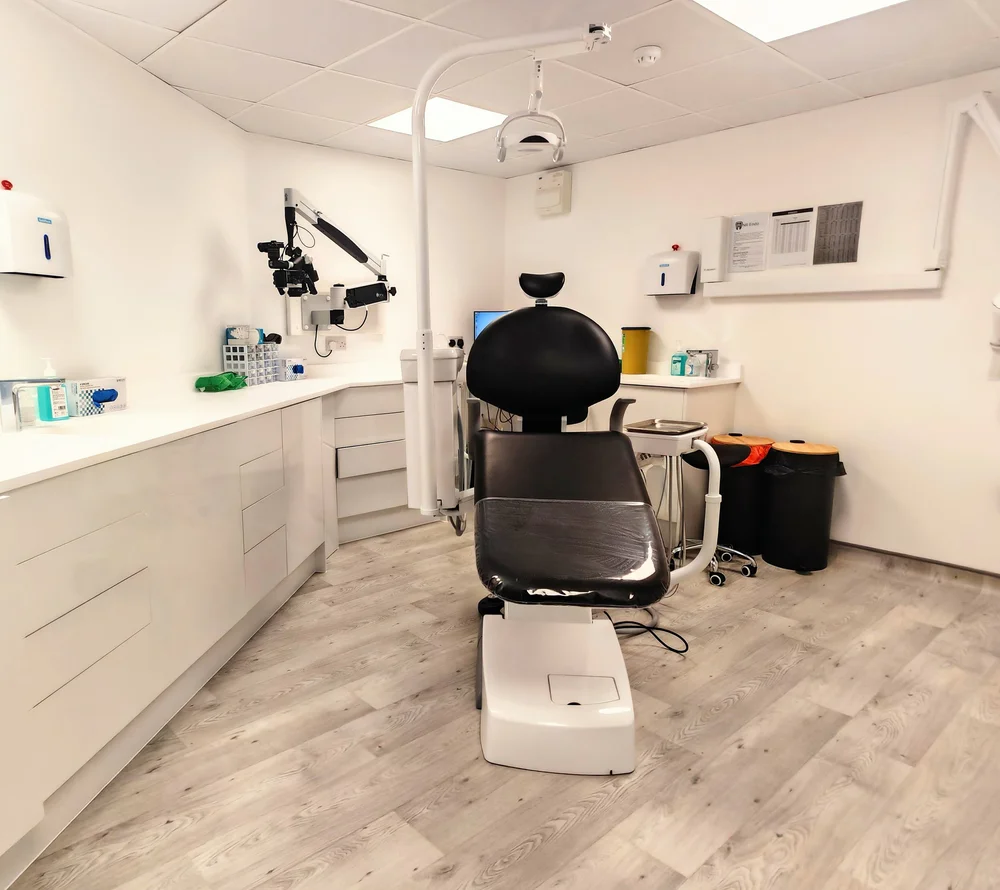
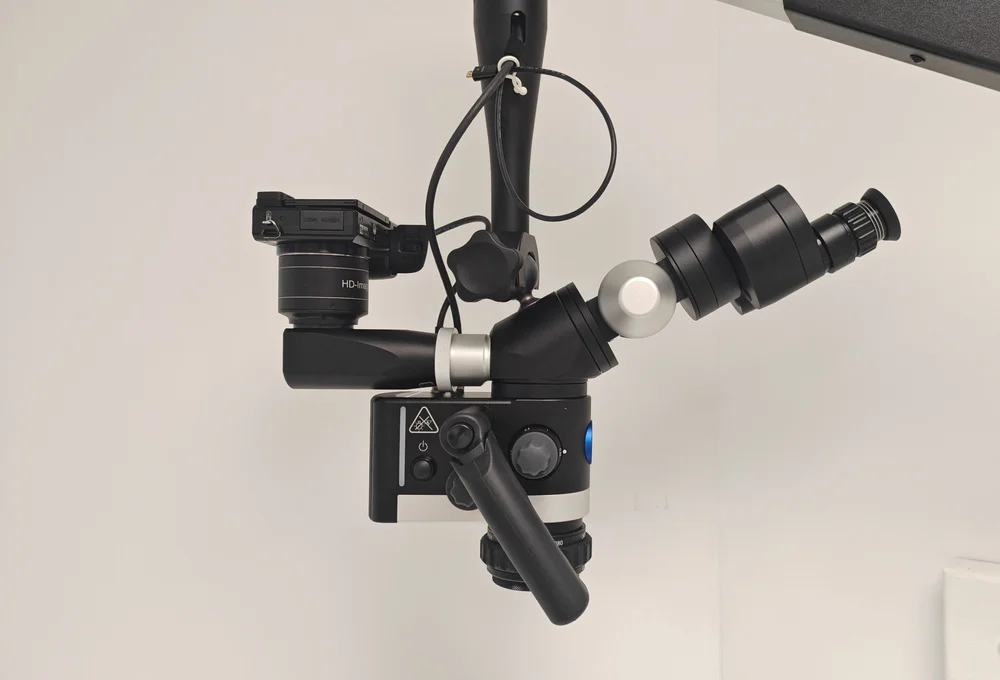
All treatment is carried out under a dental operating microscope, with a clear plan and price agreed before anything begins.
Root canal treatment
£825Infection removed from inside the tooth, then cleaned and sealed so you keep your natural tooth.
Retreatment
£825For a tooth treated before that has become painful or infected again.
Apicectomy
£825Minor surgery at the root tip when retreatment through the crown isn't possible.
Cervical resorption
£825Repairing damage at the neck of the tooth, often found on routine X-rays.
Deep caries management
£400Per visit. Protecting the nerve in very deep decay to avoid a root canal where possible.
Consultation
from £75Assessment, radiographs and a written treatment plan with costs.
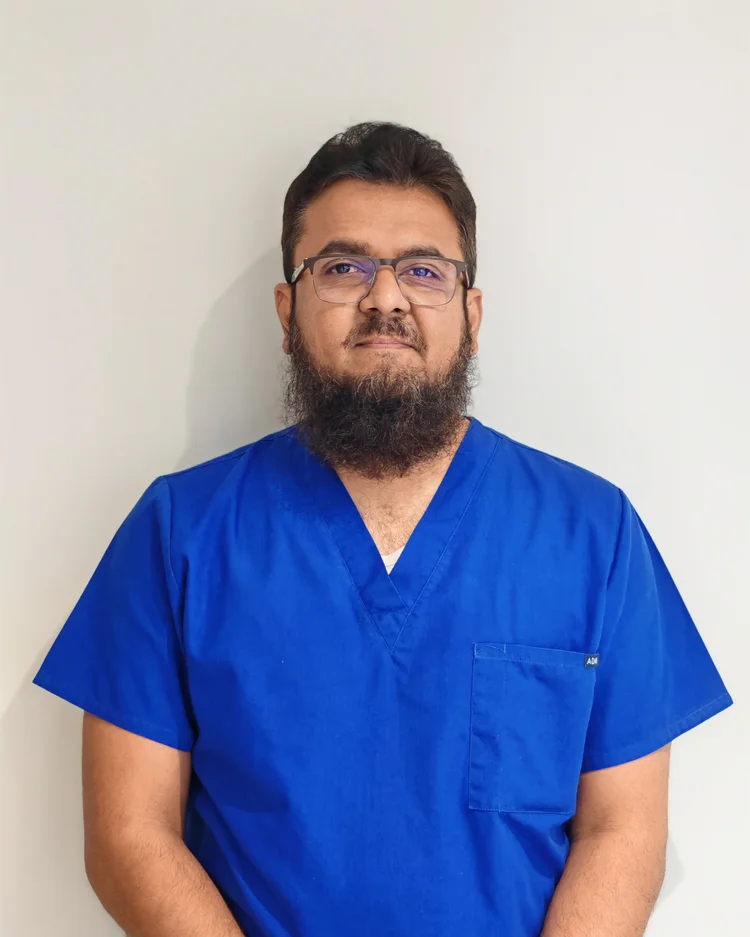
Dr Nabeel Abdur Rashid
BDS · M.Endo RCSEd · F.Endo RCSEd · MSc Endodontics · MClinDent Prosthodontics
Dr Nabeel Abdur Rashid has a special interest in endodontics. He is dedicated to providing high-quality, comfortable and precise root canal treatments. Known for a gentle approach and attention to detail, Dr Rashid focuses on helping patients save their natural teeth using the latest endodontic techniques and technology.
After completing a Bachelor of Dental Surgery (BDS), Dr Rashid pursued postgraduate speciality training in Endodontics at the University of Warwick, earning an MSc in Endodontics in 2015, followed by an MClinDent in Prosthodontics at the University of Edinburgh in 2017. He received his Membership in Endodontics from the Royal College of Surgeons in 2020 and his Fellowship in Endodontics from the Royal College of Surgeons in 2025.
During his time at the University of Warwick, Dr Rashid was secretary of the dental school students' union for two consecutive years and chair for one year.
Dr Rashid is passionate about teaching and is a clinical teaching fellow at Aberdeen Dental School, where he tutors restorative dentistry to graduate dental students. He also provides lectures and training in endodontics to general dentists across Scotland through NHS Education for Scotland (NES).
He has extensive experience managing complex root canal cases, retreatments, and apical and cervical microsurgery. His clinical interests include retreatment of previously root-filled teeth, management of calcified and curved canals, endodontic microsurgery and trauma management.
Known for his calm and reassuring manner, Dr Rashid takes the time to ensure patients fully understand their treatment and feel comfortable at every stage. He works closely with referring dentists to deliver predictable, long-lasting results and seamless continuity of care.
Outside of dentistry, Dr Rashid enjoys exploring new cuisines, long-distance driving, video gaming and spending time with friends and family.
Referral, simplified
At NR Endo, we provide advanced endodontic (root canal) treatment for patients referred by general dental practitioners and other specialists. Our focus is on preserving natural teeth through meticulous diagnosis, precise treatment and close collaboration with referring clinicians.
Root canal treatment is often the key to saving a tooth affected by pulpal inflammation, infection or trauma. Using state-of-the-art equipment, including operating microscopes, digital radiography and rotary instrumentation, we ensure accurate canal identification, thorough cleaning and predictable obturation.
Referring clinicians receive detailed reports throughout treatment, including pre- and post-operative imaging and a summary of all procedures carried out. Following completion, patients are returned to your care for ongoing maintenance and restoration.
Send the referral
Complete the online referral form, with radiographs attached.
We treat
We contact the patient and book a consultation as soon as we can.
Full report
Once discharged from our care, we write back to you with a full report.
We welcome referrals for
- Complex root canal cases
- Retreatment of previously treated teeth
- Curved, calcified or atypical canals
- Persistent orofacial pain of endodontic origin
- Surgical endodontics: apicectomy and cervical resorption
Technology
- Dental operating microscopes
- Nickel-titanium rotary systems
- Warm vertical compaction of root fillings
- Bioceramic sealers
- Digital radiography
NHS referrals: first molars only, for patients registered in NHS Grampian, excluding post or separated instrument removals and pin-retained crowns. We do not provide emergency care.
Your treatment, explained
Everything you need to know before, during and after your visit.
Root canal treatment
Save your natural tooth with gentle, expert care. A root canal treatment is a common dental procedure designed to save a tooth that is badly decayed, damaged or infected. Instead of removing the tooth, the inside is carefully cleaned, disinfected and sealed, relieving pain and restoring your natural smile.
When do you need a root canal treatment?
- Persistent toothache or sensitivity to hot and cold
- Swelling or tenderness in the gums around the tooth
- A cracked or injured tooth
- Darkening or discolouration of a tooth
If left untreated, the infection can spread, leading to severe pain or even tooth loss. Early treatment can prevent this and save your natural tooth.
What happens during the procedure
- Examination and X-rays. We examine your tooth and take X-rays to assess the infection.
- Gentle numbing. The area is completely numbed for your comfort.
- Cleaning the canal. The infected tissue is removed and the root canal is cleaned and disinfected.
- Sealing and restoration. The canal is sealed and a filling is placed to protect the tooth.
Most patients report that root canal treatment feels similar to having a regular filling: comfortable and pain-free with modern techniques and anaesthesia.
Benefits
- Saves your natural tooth
- Relieves pain and infection
- Restores full chewing function
- Prevents future dental complications
Aftercare and recovery
You may feel mild tenderness for a few days, which can be managed easily with over-the-counter medication. Good oral hygiene and regular check-ups will help keep your restored tooth healthy for years.
Apicectomy
An apicectomy is a minor surgical procedure that removes the tip (apex) of a tooth's root and any surrounding infected tissue. It is often the last step to save a tooth that has already had a root canal but continues to show signs of infection. By cleaning and sealing the end of the root, an apicectomy helps the surrounding bone heal and restores the health and stability of your tooth.
When might you need an apicectomy?
- Persistent infection or discomfort after root canal treatment
- A small cyst or inflammation around the root tip
- A root canal cannot be retreated due to posts, crowns or complex root anatomy
- The root canal system is difficult to access through conventional means
Your dentist or endodontist will confirm the need for this treatment through an examination and digital imaging.
What to expect during the procedure
- Comfort and local anaesthetic. The area around your tooth is completely numbed.
- Accessing the root tip. A small opening is made in the gum near the tooth to reach the infected root area.
- Removing infection. The tip of the root and any infected tissue are gently removed.
- Sealing the root end. The end of the root is cleaned and sealed to prevent reinfection.
- Healing. The gum is sutured, and the area typically heals over a few weeks.
Most patients find the procedure straightforward and experience minimal discomfort during and after surgery.
Recovery and aftercare
- Mild swelling or tenderness may occur for a few days. This is normal and can be managed with over-the-counter pain relief.
- Avoid chewing on the treated side until healing progresses.
- Maintain good oral hygiene and follow your dentist's care instructions.
- Attend your follow-up visit to ensure proper healing.
Healing generally takes a few weeks, and most patients return to normal activities the next day.
Benefits
- Eliminates persistent infection
- Promotes bone and tissue healing
- Prevents the need for extraction or implants
Emergency care
We do not provide emergency care, as this is a referral practice. All emergency care is provided by the patient's registered dental practice.
Private fees
Consultation
- Single tooth
- £75
- Multiple teeth
- £100
- Restorability assessment
- £400
Restorability assessment is included in the total cost of treatment.
Primary root canal treatment
- Incisor
- £825
- Premolar
- £825
- Molar
- £825
Root canal re-treatment
- Incisor
- £825
- Premolar
- £825
- Molar
- £825
Surgical treatment
- Apicectomy / root-end resection
- £825
- Cervical resorption
- £825
Deep caries management
- First visit
- £400
- Second visit
- £400
Regenerative treatment
- First visit
- £425
- Second visit
- £400
NHS prices follow the Scottish Statement of Dental Remuneration (SDR): view the SDR.
We provide NHS root canal treatment for first molar teeth only, for patients registered in NHS Grampian. Deep caries management, apicectomies and regenerative treatments are not provided under the NHS.
We do not provide emergency care, as this is a referral practice. All emergency care is provided by the patient's registered dental practice.
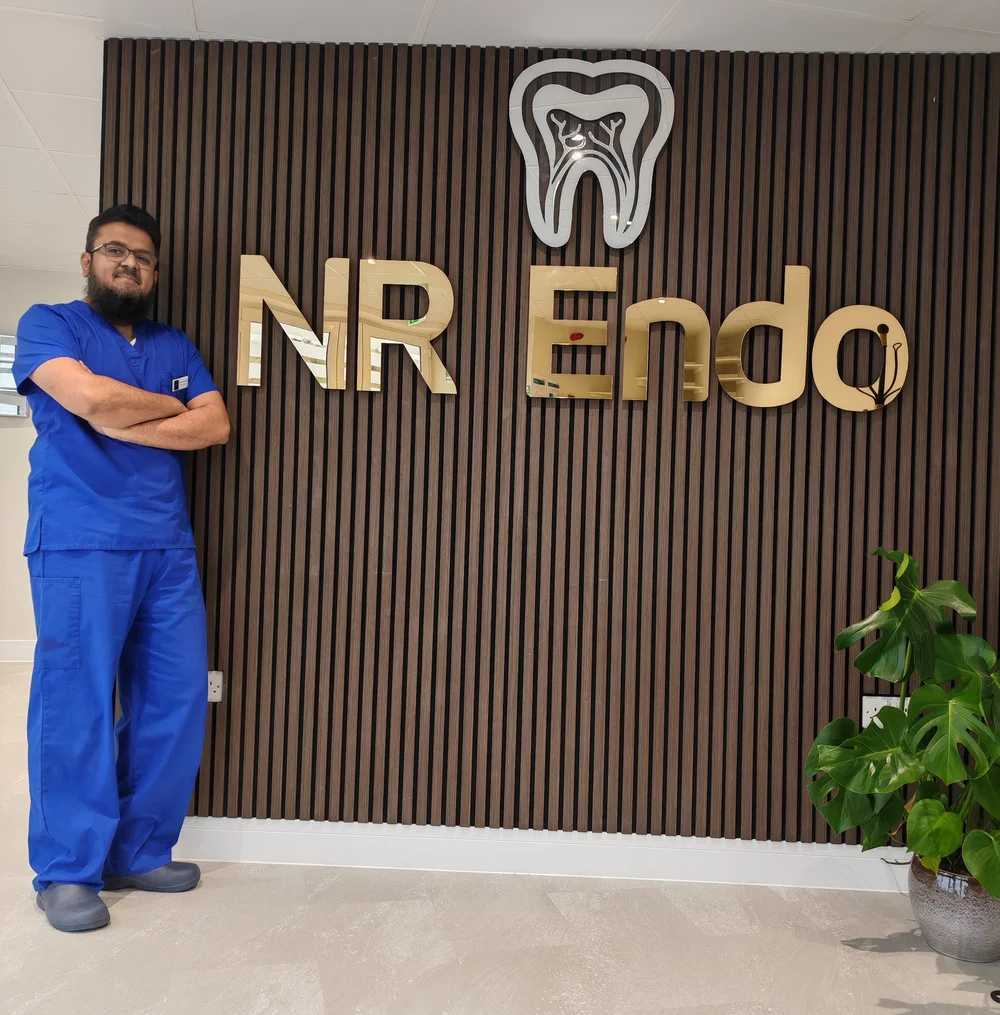
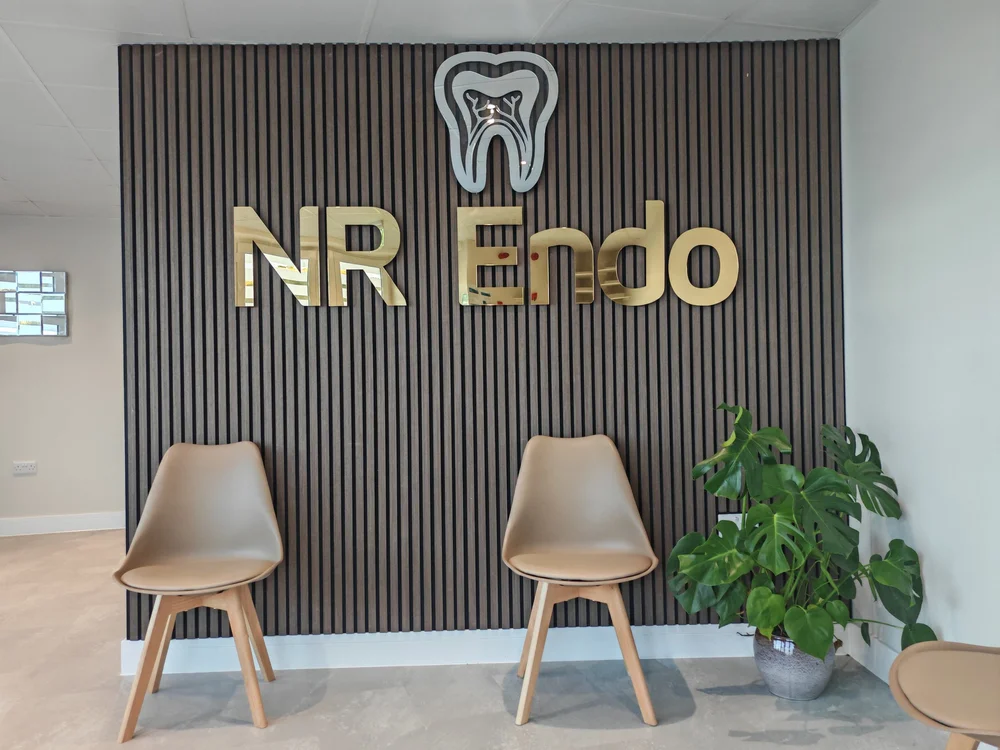
Countesswells, Aberdeen
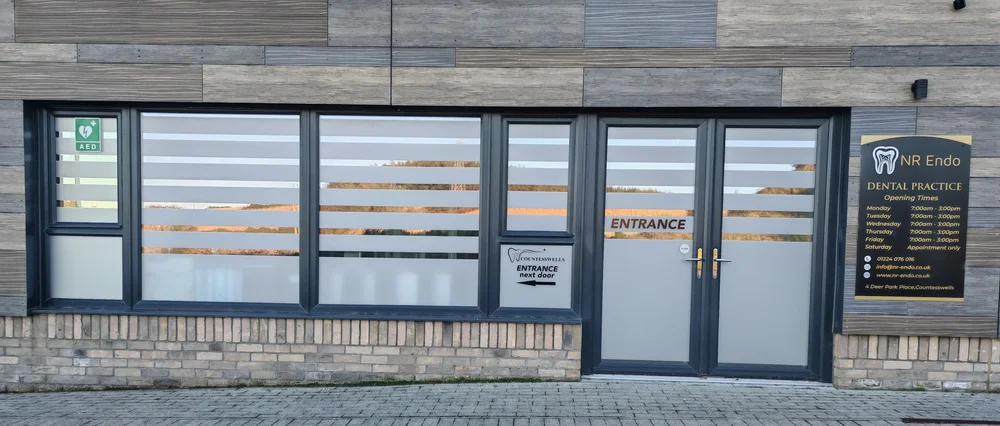
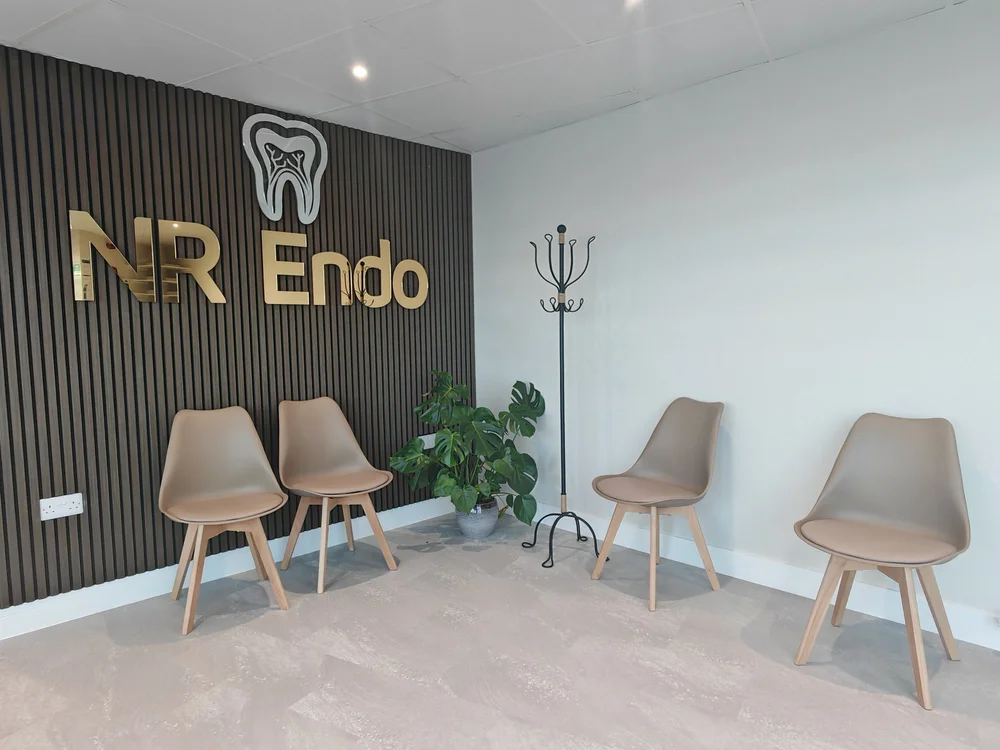
Find the practice
- Address
- 4 Deer Park Place, Countesswells, Aberdeen AB15 8FX
- Telephone
- 01224 076016
- Referrals
- Online referral form
Open in Google Maps